My Health & Wellbeing E-Portfolio
A thoughtful record of my first-year journey toward stronger wellbeing, better academic balance, and a resilient future in healthcare.
 Future in healthcare
Healthy habits support a clearer mind, stronger resilience, and better learning.
About me
A brief introduction to my academic identity and the purpose of this portfolio.
Reem Saeed Alshamsi
First-Year Medical Imaging Student
My learning journey
I am a first-year Medical Imaging student. Starting a healthcare degree has shown me that academic success is closely linked to physical, emotional and mental wellbeing.
This e-portfolio brings together practical health goals, structured fitness and meal plans, student interviews, a case-study mind map and personal reflections. My aim is to build realistic habits that support both my studies and my future professional practice.
Managing Academic Stress and Building Resilience in First-Year Medical Imaging Students
Exploring how sleep, exercise, nutrition, time management and social support can help students respond to academic pressure in healthier ways.
Four practical goals for health and growth
Each goal is specific, measurable, achievable, relevant and time-bound.
Daily Movement
I will reach 6,000 steps per day on at least five days each week for four weeks, tracked using my phone.
Relevance & growth: A regular walking habit can make long study sessions feel more manageable and build the stamina I will need in a healthcare environment.
Feasibility: This is achievable because I can add short walks between classes and in the evening. I will check my phone step count on five days each week.
Challenges & response: Busy coursework and hot weather might interrupt outdoor walks. I will walk indoors, take two shorter walks, or use the university corridors when needed.
Better Sleep
I will get 7–8 hours of sleep on at least five nights per week for four weeks by following a consistent bedtime.
Relevance & growth: Rest helps me concentrate, manage emotions and prepare for demanding Medical Imaging classes.
Feasibility: A regular sleep window is realistic if I plan revision earlier and set a reminder to start winding down. I will record sleep duration five nights each week.
Challenges & response: Assignments, screen use and late studying may delay bedtime. I will reduce screen time before sleep, prepare for the next day and move non-urgent revision to daylight hours.
Balanced Meals
For the next two weeks, I will choose a balanced lunch on at least five days each week.
Relevance & growth: Choosing balanced lunches supports energy and concentration during lectures and encourages the healthy habits I hope to model professionally.
Feasibility: Five lunches per week for two weeks is manageable by preparing ingredients in advance and using the meal plan below as a guide.
Challenges & response: Limited breaks and convenient takeaway food may affect my choices. I will pack a simple lunch, keep healthy snacks available and use balanced options when eating on campus.
Professional Growth
I will spend 30 focused minutes reviewing Medical Imaging learning materials on four days per week for four weeks.
Relevance & growth: Reviewing Medical Imaging material in small sessions can improve confidence, reduce last-minute revision and prepare me for responsible future clinical learning.
Feasibility: Thirty minutes on four days each week is a realistic commitment. I will use a calendar checklist to track my four-week progress.
Challenges & response: Fatigue and competing tasks may make it difficult to start. I will schedule a regular slot, silence notifications and split the session into two 15-minute blocks when necessary.
Two-week fitness plan using FITT
A realistic blend of walking, strength, mobility and recovery designed around university life.
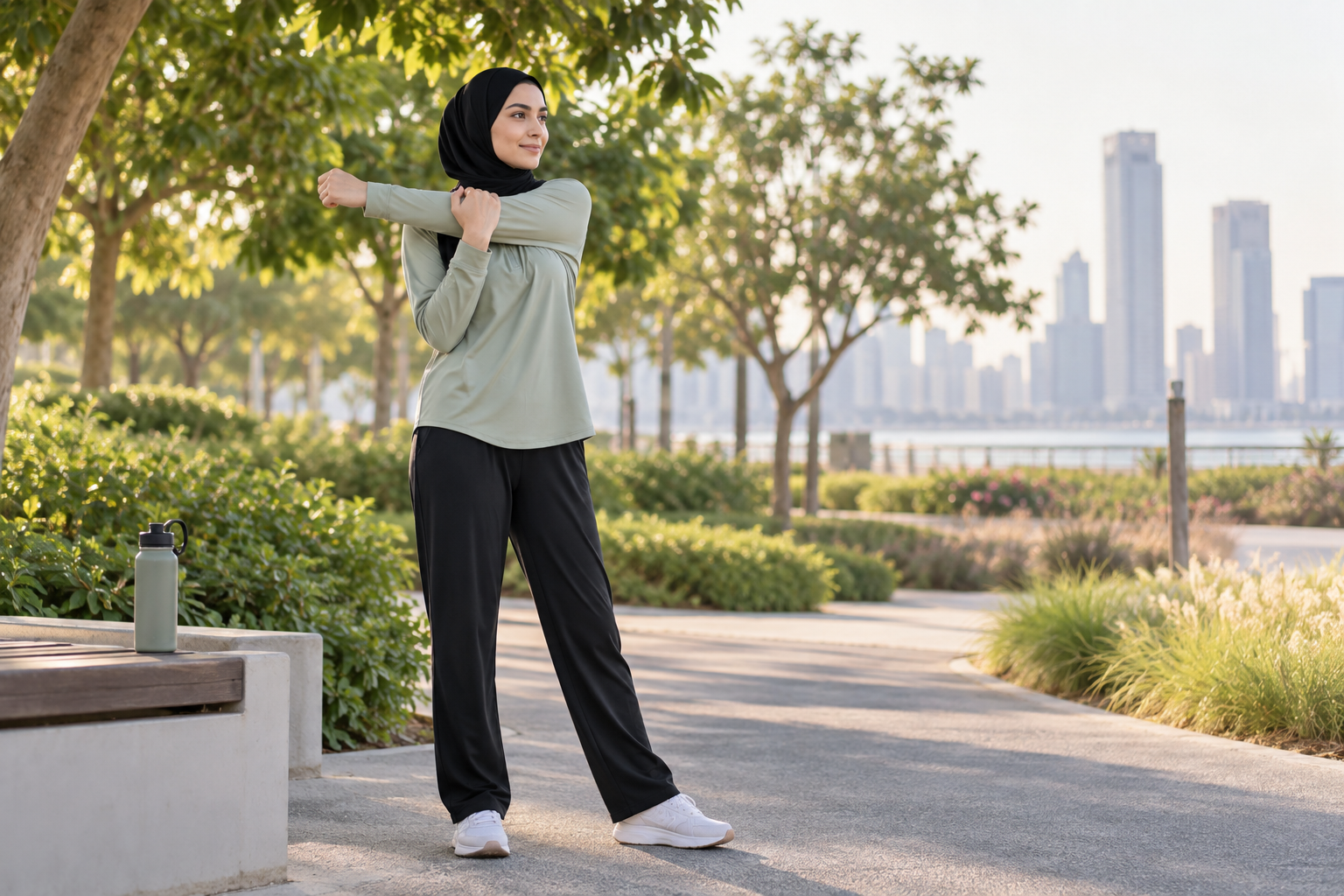 Modest • Active • Sustainable
| Day | Activity | Time | Intensity |
|---|---|---|---|
| Monday | Brisk walk | 30 min | Moderate |
| Tuesday | Bodyweight strength | 25 min | Moderate |
| Wednesday | Mobility + stretch | 20 min | Light |
| Thursday | Brisk walk | 35 min | Moderate |
| Friday | Strength + core | 25 min | Moderate |
| Saturday | Active recovery | 20 min | Light |
| Sunday | Rest | — | Recovery |
| Day | Activity | Time | Intensity |
|---|---|---|---|
| Monday | Brisk walk | 40 min | Moderate |
| Tuesday | Bodyweight strength | 30 min | Moderate |
| Wednesday | Yoga / mobility | 25 min | Light |
| Thursday | Walk intervals | 35 min | Moderate |
| Friday | Full-body strength | 30 min | Moderate |
| Saturday | Leisure walk | 30 min | Light |
| Sunday | Rest | — | Recovery |
This plan is realistic because it uses short sessions and simple activities. If study becomes busy, I can shorten a session instead of giving up the routine completely.
I chose walking because it requires little equipment, while bodyweight strength and stretching can be completed at home. The gradual increase in walking time from the first week to the second allows me to build consistency without rushing into vigorous exercise. The scheduled Sunday rest days are important for recovery, and the light Saturday sessions help me stay active without overloading myself.
The main challenges may be assignment deadlines, tiredness after classes, limited space and hot weather. To manage these, I can exercise indoors, prepare comfortable clothing in advance and move sessions to a less busy time. I would track completed sessions and how I feel afterward, rather than judging progress only by intensity. I expect the routine to support mood, sleep, energy and concentration, although I would adjust its difficulty if any activity caused pain or persistent fatigue. This is a proposed plan; actual completion should be tracked separately.
Balanced two-week meal plan
Simple choices designed to support hydration, energy, concentration and wellbeing.

| Day | Breakfast | Lunch | Dinner | Snack |
|---|---|---|---|---|
| Mon | Oats + berries | Chicken salad wrap | Fish + rice + vegetables | Yogurt |
| Tue | Eggs + toast | Lentil soup + salad | Chicken + vegetables | Fruit + nuts |
| Wed | Yogurt + banana | Tuna wholegrain sandwich | Vegetable pasta + protein | Dates + milk |
| Thu | Oats + apple | Chicken rice bowl | Lentil stew + salad | Hummus + cucumber |
| Fri | Egg + avocado toast | Chicken wrap | Fish + potato + salad | Fruit |
| Sat | Labneh + vegetables | Rice + lean meat | Soup + toast | Nuts |
| Sun | Yogurt + oats + fruit | Chickpea salad bowl | Chicken + vegetables | Popcorn |
| Day | Breakfast | Lunch | Dinner | Snack |
|---|---|---|---|---|
| Mon | Eggs + tomato + toast | Chicken sandwich + salad | Salmon + rice + broccoli | Yogurt |
| Tue | Oats + banana + nuts | Lentil bowl | Chicken stir-fry | Fruit |
| Wed | Greek yogurt + fruit | Tuna salad | Bean stew + rice | Nuts + dates |
| Thu | Cheese + cucumber wrap | Chicken rice bowl | Grilled fish + vegetables | Carrot + hummus |
| Fri | Egg + wholegrain toast | Soup + salad | Chicken pasta | Fruit |
| Sat | Oats + berries | Balanced family meal | Light sandwich + salad | Yogurt |
| Sun | Labneh + vegetables | Quinoa/chickpea bowl | Chicken + sweet potato | Popcorn |
Daily food goals, timing & portions
These suggestions apply to the existing Week 1 and Week 2 menus; the 14-day tables above remain unchanged.
Choose a balanced lunch at least five days per week over two weeks; include vegetables, a source of protein and whole grains where possible.
As a practical starting point, aim for 6–8 glasses of water spread through the day, and adjust for heat, exercise and individual needs.
Aim for around half a plate of vegetables and fruit, one-quarter protein and one-quarter grains; favour whole grains and limit added sugar and excess salt.
| Meal | Suggested time | Portion guidance |
|---|---|---|
| Breakfast | 7:00 AM | 1 serving of whole grains + an egg, yogurt or other protein + fruit. |
| Lunch | 1:00 PM | About ½ plate vegetables/fruit, ¼ lean protein and ¼ whole grains. |
| Snack | 4:00 PM | 1 fruit or 1 yogurt or a small handful of unsalted nuts. |
| Dinner | 7:00 PM | Vegetables + a moderate portion of protein + whole grains or starchy vegetables. |
Meal times are suggested, not compulsory. Portions and fluid needs vary by age, health status and activity. Source for balanced plate principles: USDA MyPlate.
This meal plan is flexible enough for study days and family meals. Planning snacks and lunch in advance can reduce reliance on convenience food and support more stable energy.
I selected meals that can be prepared with common ingredients and repeated in different combinations. The suggested times create a structure around lectures, but they can be adjusted for my actual timetable. Including protein, vegetables, whole grains and fruit across the day is more practical than trying to make every meal perfect.
Challenges may include morning time pressure, unexpected family meals, food availability and remembering to drink water. I can prepare oats or lunch ingredients the night before, carry a refillable bottle and use the plate method when eating outside. I would review the plan after each week, noting whether meals were convenient and satisfying. I expect a more regular eating pattern and better hydration to support concentration and energy, but the benefit will depend on consistent choices and individual needs. This is a planned routine, not a record of meals already eaten.
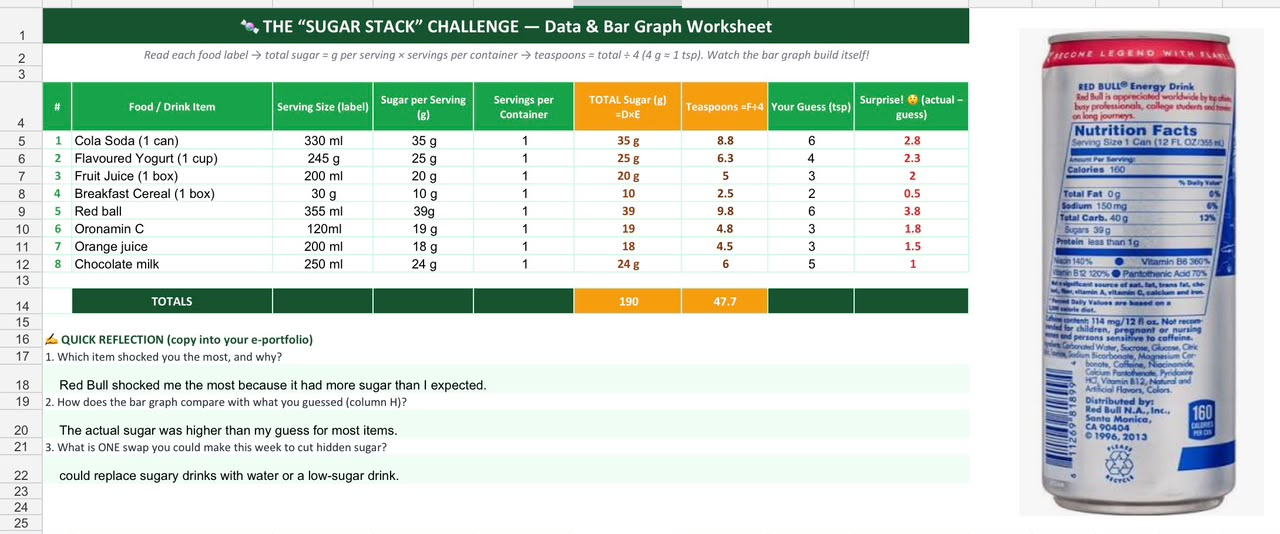
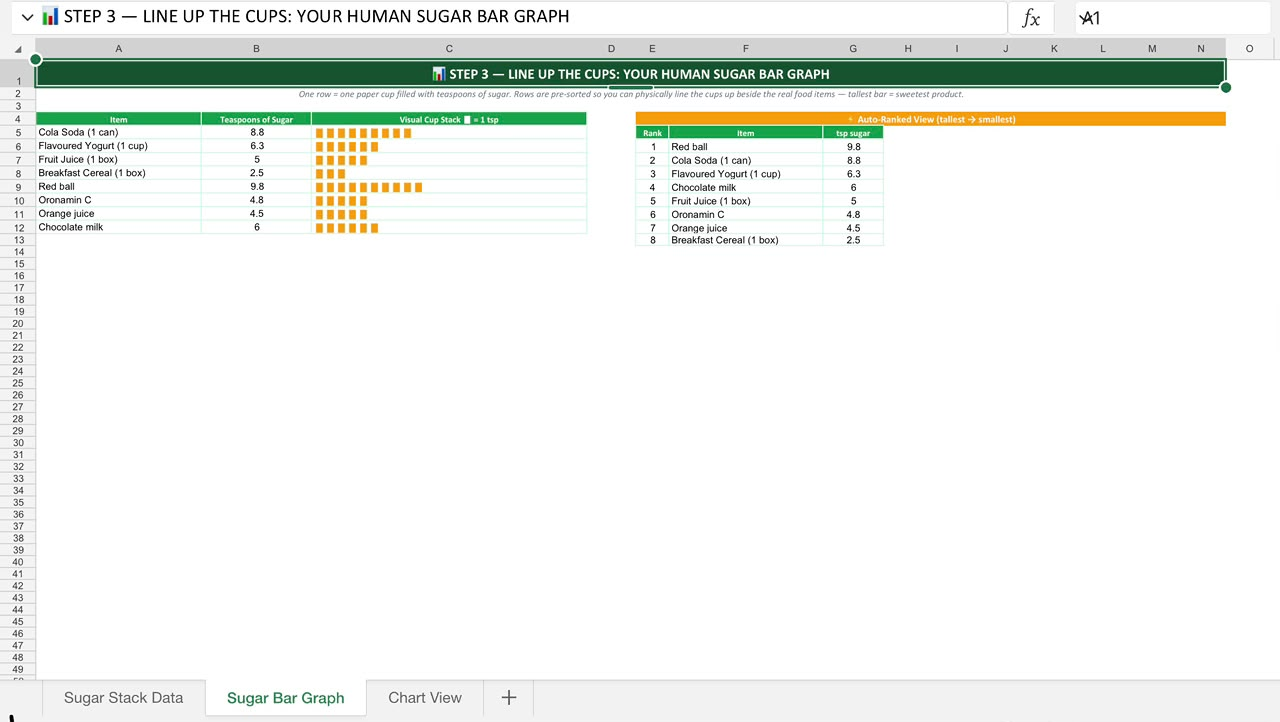
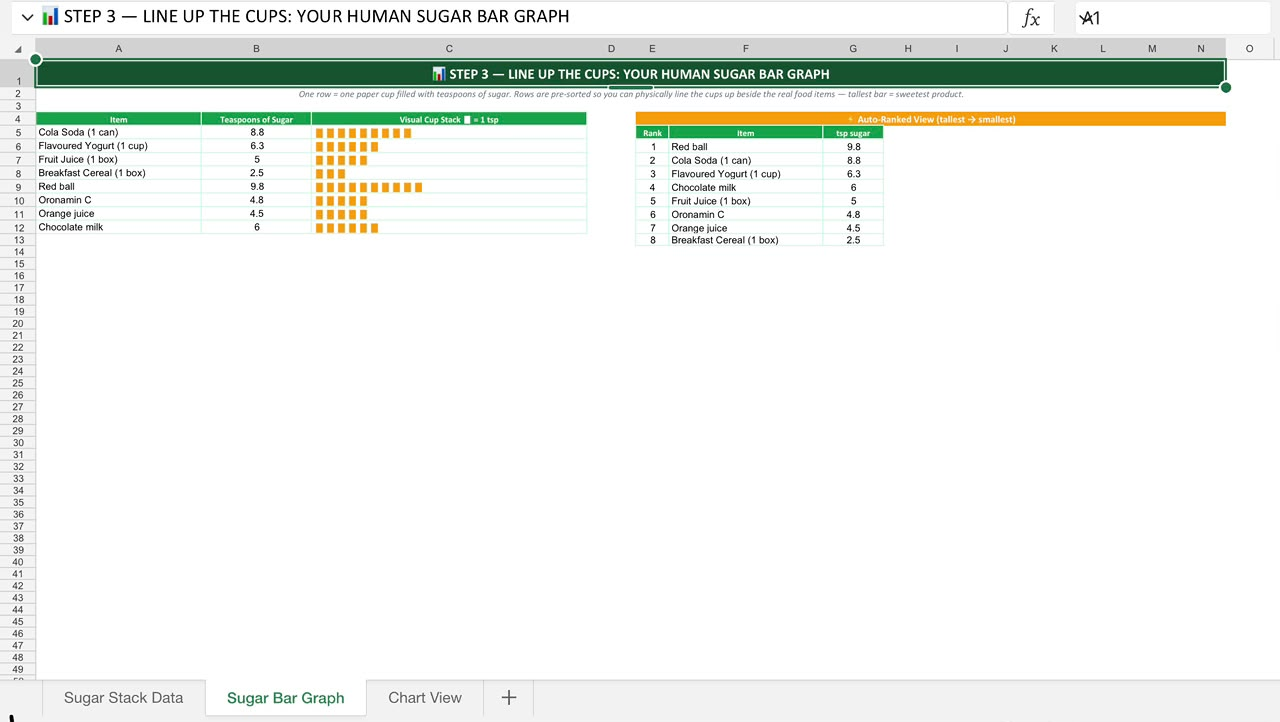
Food and Nutrition Calculator
ChatGPT meal analysis: actual AI input, nutrient results, critical evaluation and a 150–200-word reflection.
Food, quantities and AI tool
ChatGPT — AI Food and Nutrition Calculator.
One hypothetical meal, not a record of actual intake.
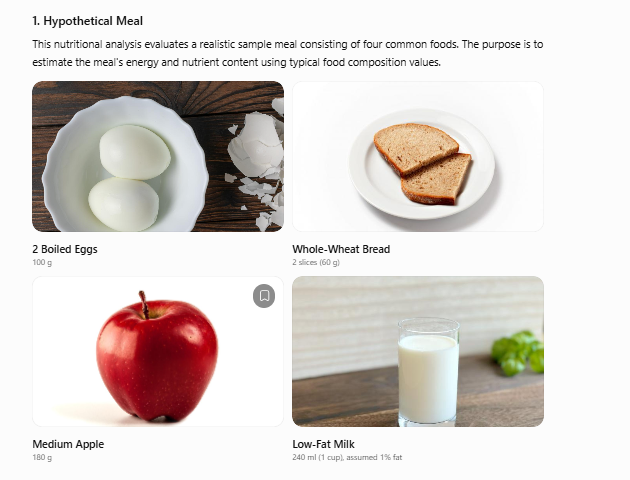
Plain boiled eggs; apple with skin; low-fat milk assumed approximately 1% fat. Values may vary by brand.
| Food / drink entered | Portion | Food group |
|---|---|---|
| Boiled eggs | 2 eggs (100 g) | Protein |
| Whole-wheat bread | 2 slices (60 g) | Whole grains |
| Medium apple | 1 (180 g) | Fruit |
| Low-fat milk | 1 cup (240 mL) | Dairy |
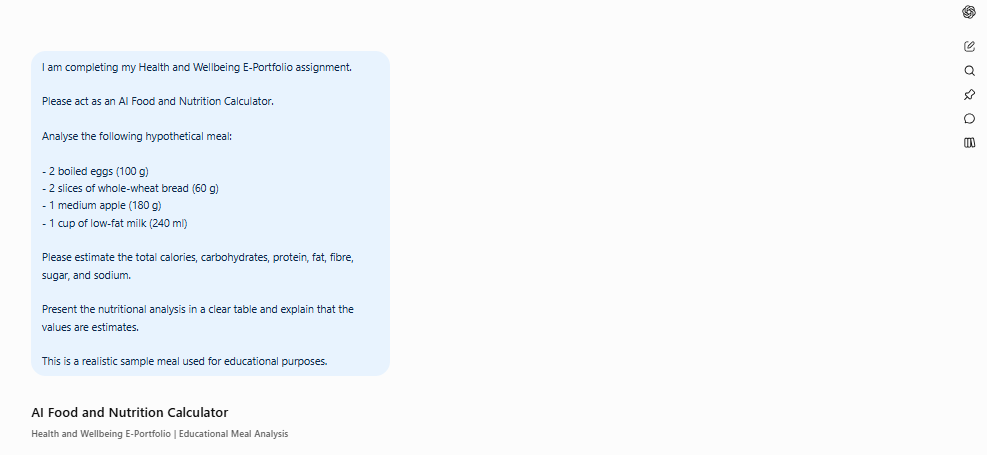
“I am completing my Health and Wellbeing E-Portfolio assignment. Please act as an AI Food and Nutrition Calculator. Analyse the following hypothetical meal: 2 boiled eggs (100 g), 2 slices of whole-wheat bread (60 g), 1 medium apple (180 g), and 1 cup of low-fat milk (240 ml). Please estimate the total calories, carbohydrates, protein, fat, fibre, sugar, and sodium. Present the nutritional analysis in a clear table and explain that the values are estimates. This is a realistic sample meal used for educational purposes.”
Estimated nutritional analysis
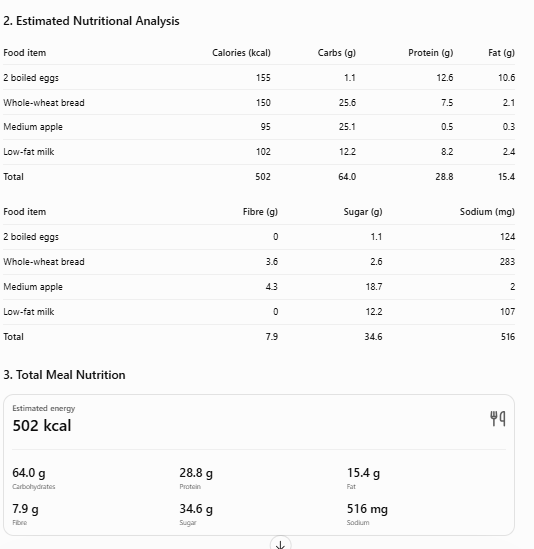
Figures match the student-supplied ChatGPT screenshot; these are approximate AI estimates.
| Food item | kcal | Carbs (g) | Protein (g) | Fat (g) | Fibre (g) | Sugar (g) | Sodium (mg) |
|---|---|---|---|---|---|---|---|
| 2 boiled eggs (100 g) | 155 | 1.1 | 12.6 | 10.6 | 0.0 | 1.1 | 124 |
| Whole-wheat bread (60 g) | 150 | 25.6 | 7.5 | 2.1 | 3.6 | 2.6 | 283 |
| Medium apple (180 g) | 95 | 25.1 | 0.5 | 0.3 | 4.3 | 18.7 | 2 |
| Low-fat milk (240 mL) | 102 | 12.2 | 8.2 | 2.4 | 0.0 | 12.2 | 107 |
| Total | 502 | 64.0 | 28.8 | 15.4 | 7.9 | 34.6 | 516 |
Healthy-eating strengths
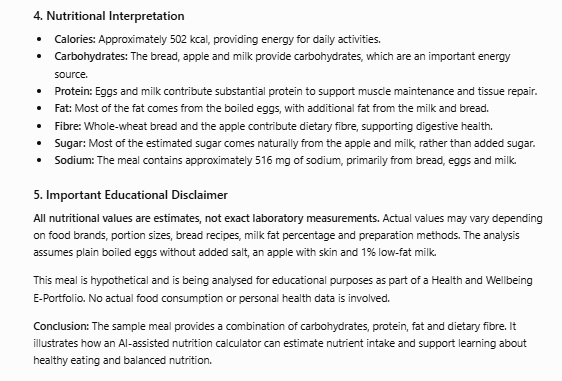
The sample includes protein sources (eggs and milk), whole grains, fruit and dairy. It supplies an estimated 7.9 g fibre. The figures for total sugar include naturally occurring sugars from fruit and milk, not just added sugars.
Practical improvements
Add vegetables at another meal and vary produce across the day. Compare bread labels for fibre and sodium, avoid assuming that one meal determines daily nutritional adequacy, and adjust portions to individual needs.
Healthy-eating comparison: USDA MyPlate. AI estimates vary with recipes and food brands; cross-check labels before relying on specific quantities.
Using ChatGPT to analyse a hypothetical meal helped me understand how foods provide more than calories. The two boiled eggs and low-fat milk contribute protein, whole-wheat bread provides carbohydrates and some fibre, and the apple adds fruit and dietary fibre. The estimated total is 502 kcal, with 28.8 g protein, 64.0 g carbohydrate and 15.4 g fat. Comparing the meal with balanced-eating guidance showed that it includes several food groups, but vegetables are absent. I would add vegetables at lunch or dinner and include more variety throughout the day.
The reported 34.6 g of sugar is total sugar, which includes naturally occurring sugars from the apple and milk; it should not be confused with added sugar. The sodium estimate is 516 mg, so checking packaged-bread labels could help me choose lower-sodium options. I also learned that results depend on bread brands, milk fat content and actual serving sizes. I would confirm important estimates using nutrition labels rather than treating AI calculations as exact. This exercise strengthened my ability to evaluate nutritional information critically and make realistic food choices.
Original ChatGPT nutrition screenshots
All four original screenshots supplied by the student. Select an image to open it full-size.
Fitness Plan and BMI Assessment
A clearly fictional profile, genuine ChatGPT input and output screenshots, accurate BMI calculation and an evidence-matched 14-day fitness plan.
Assessment profile and AI prompt
| Assessment | Hypothetical example |
|---|---|
| AI tool | ChatGPT — AI Fitness and BMI Assessment Tool |
| Age | 20 years |
| Height | 165 cm (1.65 m) |
| Weight | 62 kg |
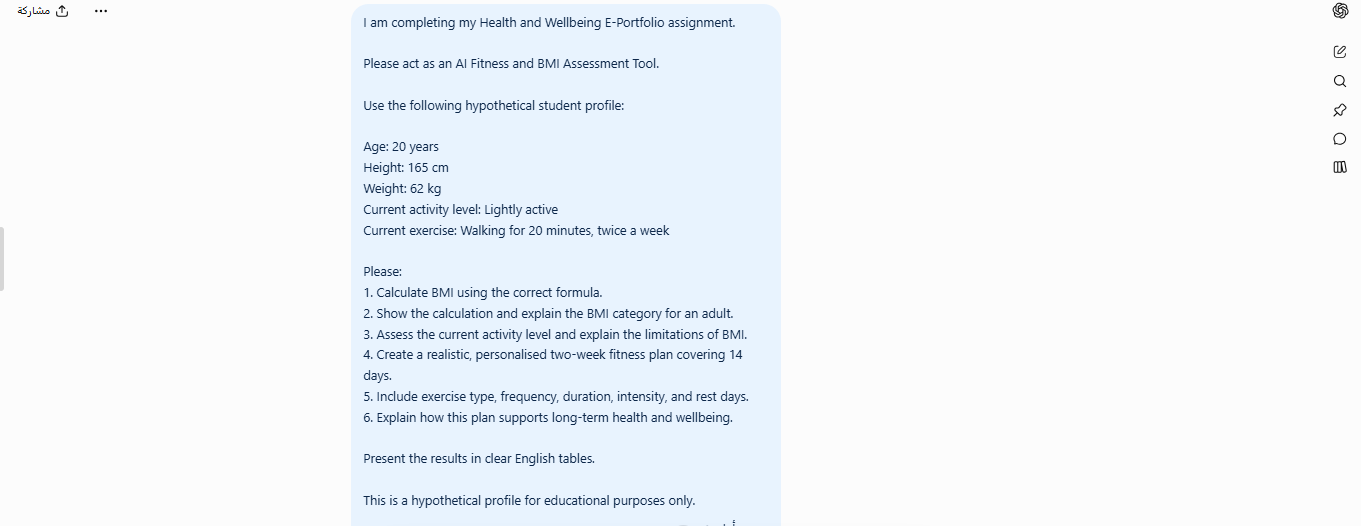
| Reported activity level | Lightly active (as reported in the sample prompt) |
| Current reported exercise | Walking 20 minutes, twice per week (40 minutes/week) |
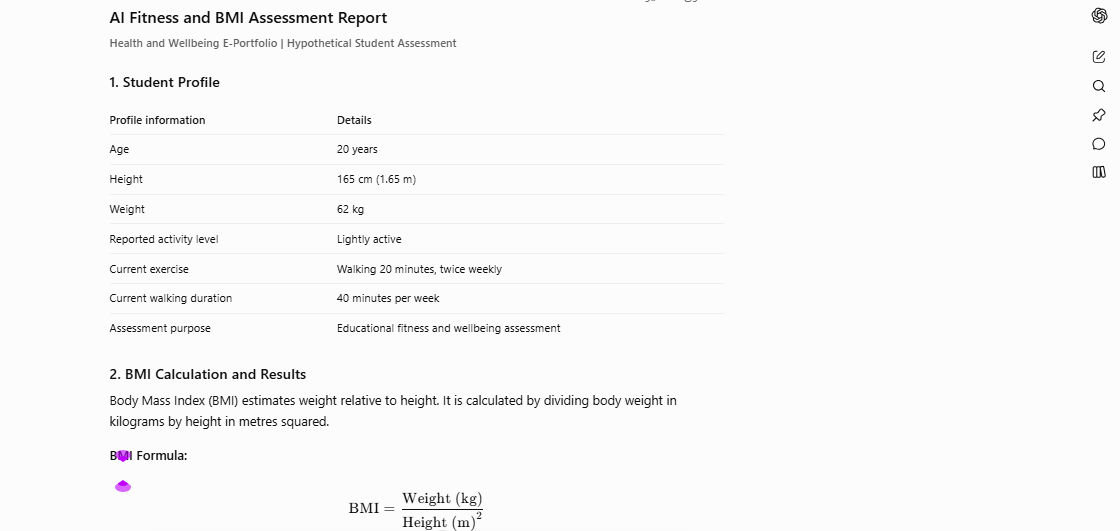
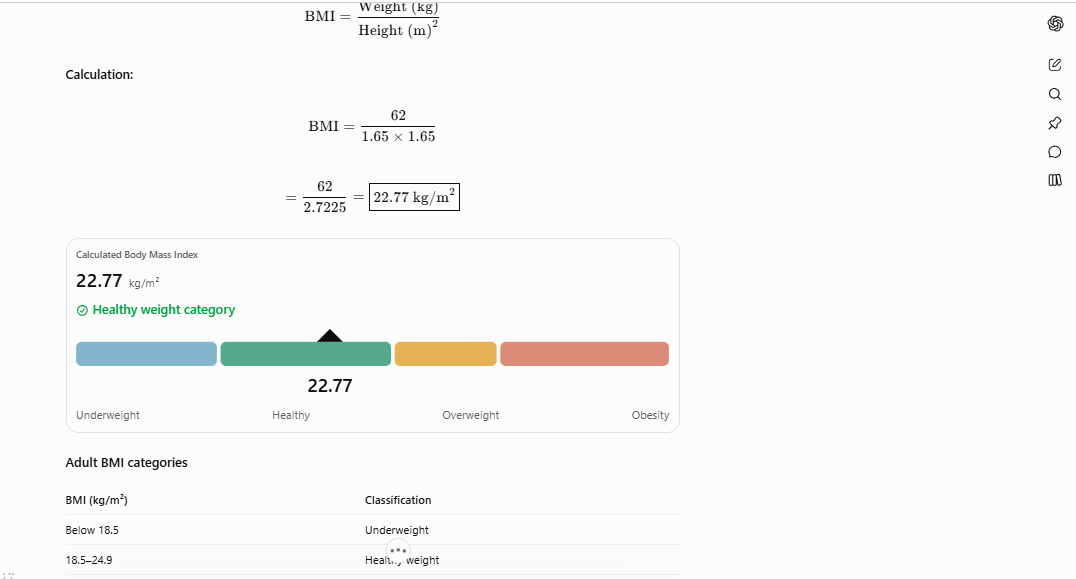
| BMI calculation | 62 ÷ (1.65 × 1.65) = 22.77 kg/m² (≈ 22.8) |
| Adult screening interpretation | Healthy-weight BMI category: 18.5–24.9 (not a diagnosis) |
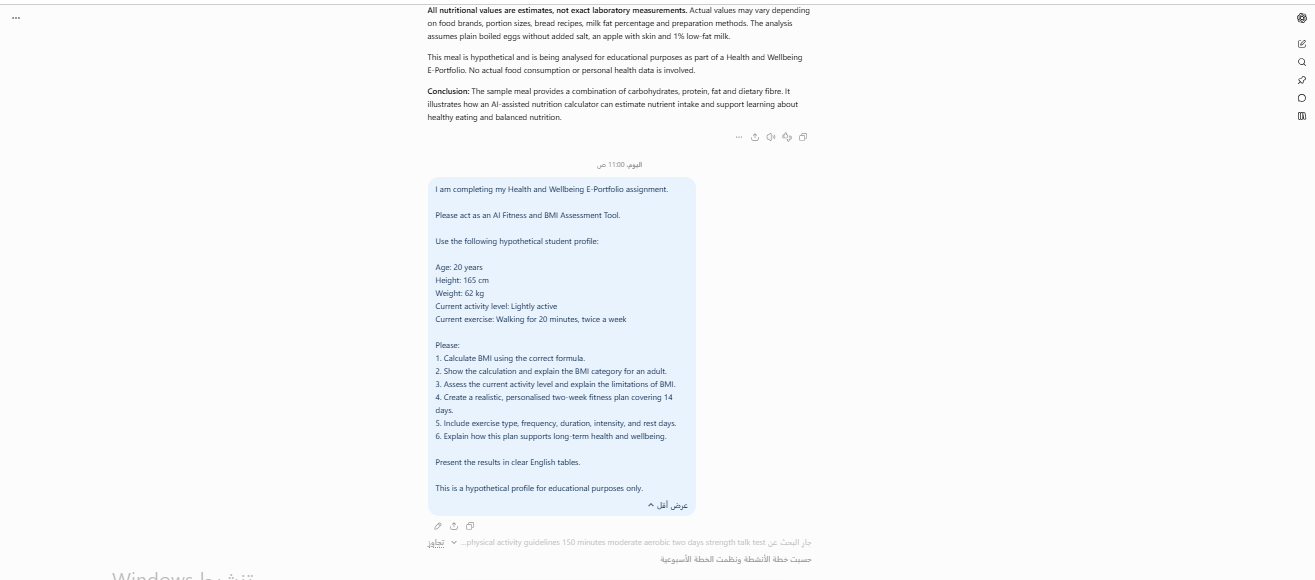
“I am completing my Health and Wellbeing E-Portfolio assignment. Please act as an AI Fitness and BMI Assessment Tool. Use the following hypothetical student profile: Age: 20 years; Height: 165 cm; Weight: 62 kg; Current activity level: Lightly active; Current exercise: Walking for 20 minutes, twice a week. Calculate BMI; show the calculation and adult category; assess activity and BMI limitations; create a personalised two-week plan covering 14 days; include exercise type, frequency, duration, intensity and rest days; and explain long-term health benefits. Present the results in clear English tables.”
BMI calculation, limitations and activity evaluation
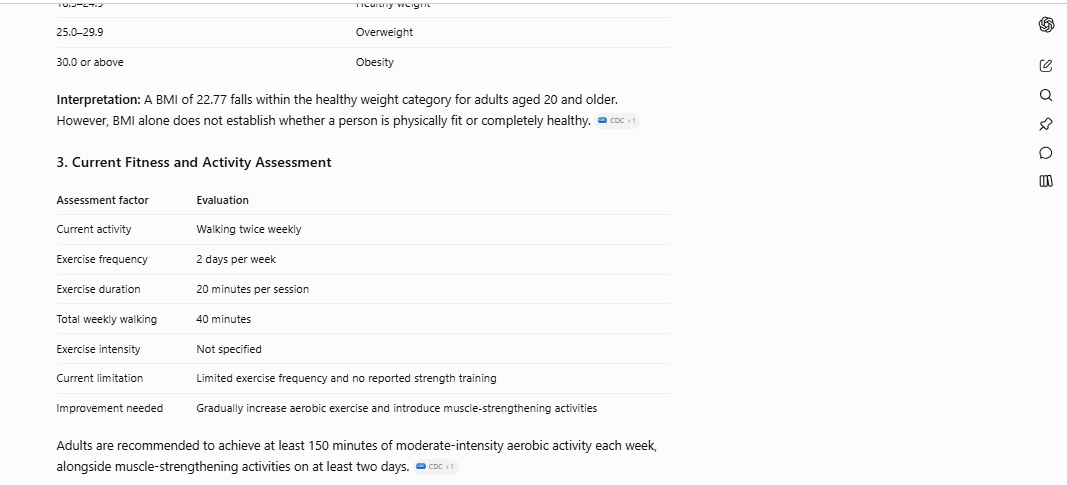
The calculation is 62 ÷ 1.65² = 62 ÷ 2.7225 = 22.77. This falls within the usual adult 18.5–24.9 healthy-weight screening range. However, BMI cannot distinguish muscle from fat or describe cardiovascular fitness, physical function or fat distribution.
Although the fictitious profile describes the overall activity level as “lightly active”, its reported walking exercise is only 40 minutes per week; other daily activity was not quantified. That is not enough information to certify the person's overall activity or fitness. Adult guidelines generally recommend at least 150 minutes of moderate aerobic activity weekly, together with muscle-strengthening on two days. Sources: CDC adult physical activity and CDC BMI.
Personalised 14-day fitness plan from the AI response
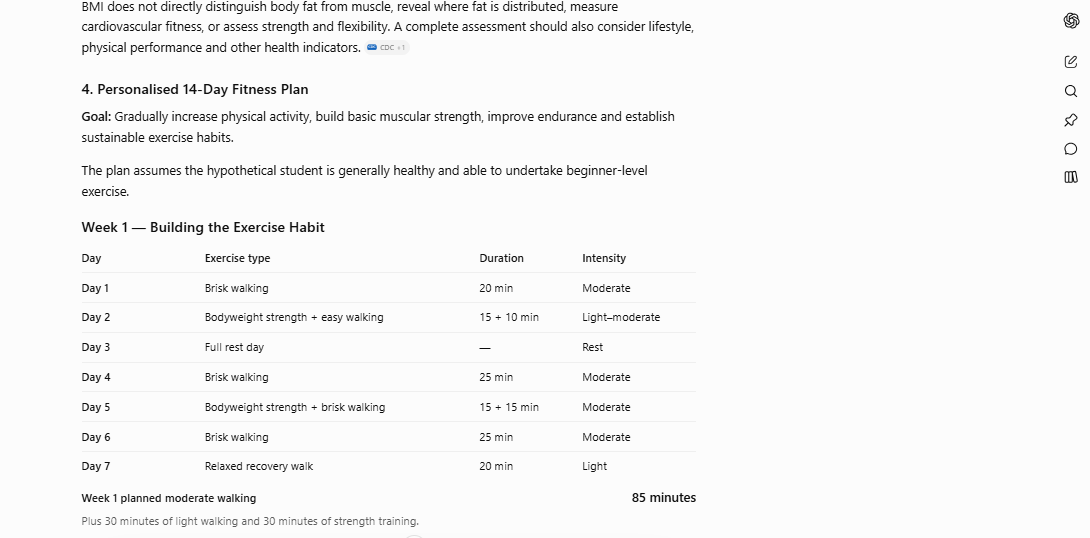
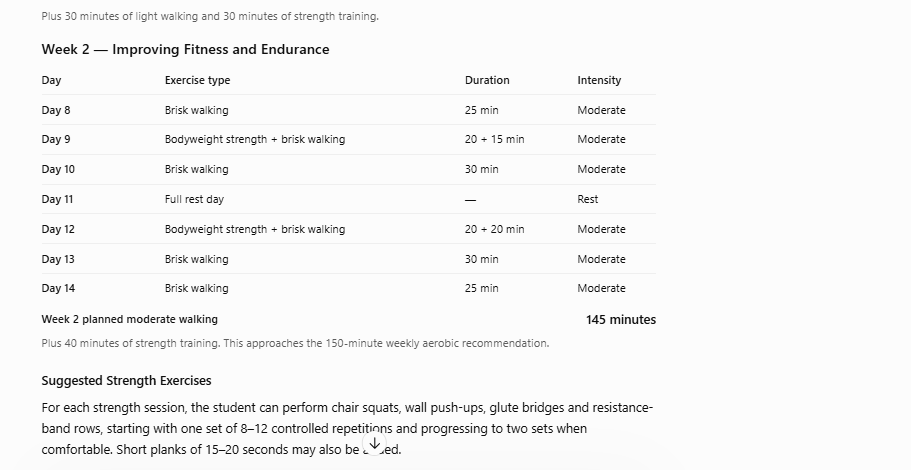
The following reproduces the activity types, durations, intensity and recovery pattern visible in the student-supplied AI screenshots. It complements the original fitness plan above; that original plan has been preserved.
Week 1 — Building the exercise habit
| Day | Exercise type | Duration | Intensity |
|---|---|---|---|
| Day 1 | Brisk walking | 20 min | Moderate |
| Day 2 | Bodyweight strength + easy walking | 15 + 10 min | Light–moderate |
| Day 3 | Full rest day | — | Rest |
| Day 4 | Brisk walking | 25 min | Moderate |
| Day 5 | Bodyweight strength + brisk walking | 15 + 15 min | Moderate |
| Day 6 | Brisk walking | 25 min | Moderate |
| Day 7 | Relaxed recovery walk | 20 min | Light |
85 minutes of planned moderate walking, plus 30 minutes of easy walking and 30 minutes of strength exercise; one full rest day.
Week 2 — Improving fitness and endurance
| Day | Exercise type | Duration | Intensity |
|---|---|---|---|
| Day 8 | Brisk walking | 25 min | Moderate |
| Day 9 | Bodyweight strength + brisk walking | 20 + 15 min | Moderate |
| Day 10 | Brisk walking | 30 min | Moderate |
| Day 11 | Full rest day | — | Rest |
| Day 12 | Bodyweight strength + brisk walking | 20 + 20 min | Moderate |
| Day 13 | Brisk walking | 30 min | Moderate |
| Day 14 | Brisk walking | 25 min | Moderate |
145 minutes of planned moderate walking, plus 40 minutes of strength exercise; one full rest day. This approaches the 150-minute aerobic guideline.
Specific, realistic goal
Move from walking 20 minutes twice weekly toward five walking sessions and two short bodyweight strength sessions by the second week, increasing time only as comfortable, while monitoring completion and fatigue.
Why this plan fits
A low reported exercise baseline makes gradual increases more appropriate than strenuous activity. Walking is accessible; chair squats, wall push-ups, bridges and simple band exercises support strength; rest and light recovery protect sustainability.
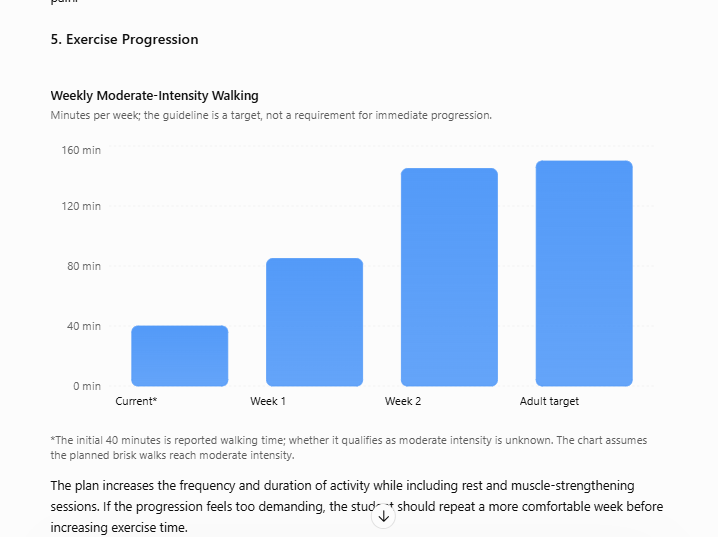
Progress in the AI example: reported walking 40 minutes/week → planned moderate walking 85 minutes in week 1 → 145 minutes in week 2. These are targets, not recorded achievements. The screenshot includes a chart of this projected progression.
Interactive BMI example checker
This local on-page calculation is standard arithmetic, not a live AI service. It does not send inputs to a server.
This fictional assessment shows why an exercise plan should match a person's current activity, not just a BMI number. Although the sample BMI of 22.77 is within the usual adult healthy-weight screening range, it does not measure stamina, muscle strength, stress or daily activity. Because the profile reports only 40 minutes of walking per week, beginner-friendly walking and strength training with gradual progression is more realistic than starting with intense workouts.
The AI-generated plan increases planned moderate walking to 85 minutes in week 1 and 145 minutes in week 2, while allowing recovery days. These are future targets, not proven outcomes. A useful evaluation would track completed sessions, perceived effort, energy, comfort and rest. During busy academic weeks, a shorter indoor walk could help preserve consistency. The lesson is to use BMI as one limited screening tool and adapt physical activity to the person's starting point, rather than treating a healthy BMI as proof of fitness.
Original ChatGPT BMI and fitness screenshots
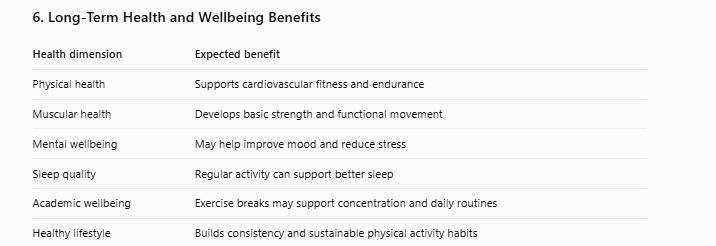
All eight readable original screenshots, covering the input, BMI result, week-by-week plans, progress chart and wellbeing benefits.
Additional original capture (earlier zoomed-out screenshot)
Additional BMI screenshot
The earlier capture is included unchanged for complete evidence.
Three student perspectives on wellbeing
The same five questions were used with three students to explore stress, motivation, challenges and personal wellbeing goals.
Student 1
- Uses short walks and early sleep during stress.
- Music and family conversations improve positivity.
- Time is difficult to manage on busy study days.
- Sleep and exercise improve focus and energy.
- Goal: exercise at least three times a week.
Student 2
- Drinks water and takes short breaks during stress.
- A daily to-do list supports motivation.
- Balancing study and rest is challenging.
- Sleep and friends help reduce stress.
- Goal: sleep at least seven hours each night.
Student 3
- Chooses healthy meals and avoids staying up late.
- Music and friends improve mood.
- Exercise consistency is the main challenge.
- Exercise and social support help manage stress.
- Goal: walk 30 minutes four times a week.
The interviews showed me that resilience is built through several small habits working together. Simple actions such as walking, planning and talking with supportive people can make stressful academic periods easier to manage.
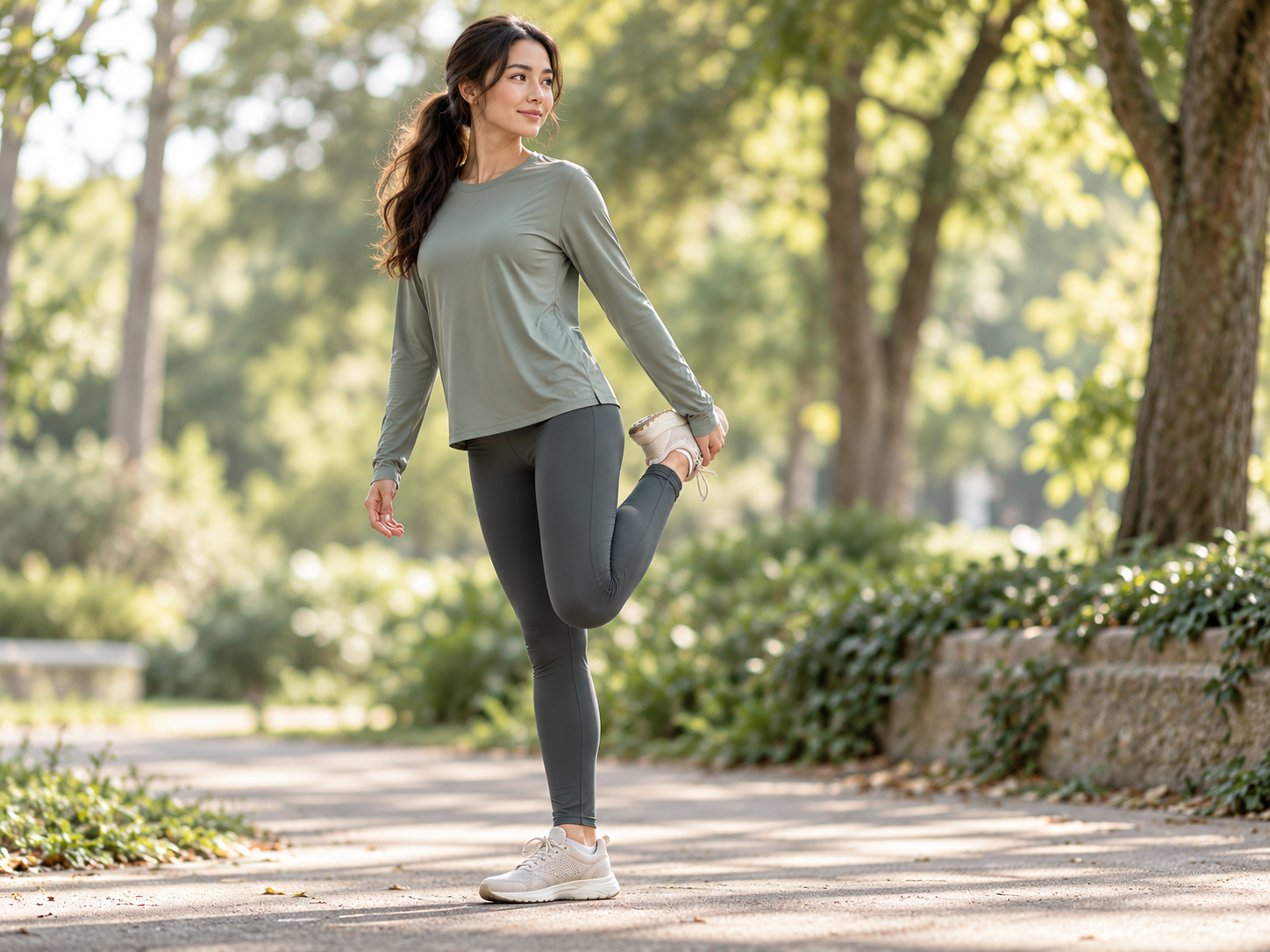
A calmer view of wellbeing
Images selected to reflect modest activity, balanced nutrition, academic focus and recovery.



Academic stress & resilience
A visual summary of the case-study topic for first-year Medical Imaging students.
Course reflections and personal insight
Connecting course learning with my own student life and future healthcare practice.
Stress management
I learned that stress is easier to manage when I notice it early rather than waiting until I feel overwhelmed. Regular sleep, movement, planning and social support can all contribute to better emotional balance.
One small action I can take is to prepare the next day’s priorities before I sleep and use short breaks or walks when academic pressure increases.
Final course reflection
This Health and Wellbeing course has helped me understand wellbeing as a combination of physical health, mental focus, emotional resilience and social support. At the beginning of my university journey in Medical Imaging, I mainly thought about managing coursework and achieving academic results. The activities encouraged me to think more carefully about the daily habits that make effective learning possible.
One important achievement was turning broad intentions into four measurable SMART goals for walking, sleep, balanced lunches and regular study review. The two-week fitness and meal plans then showed me how to translate these intentions into practical schedules. I learned that planning rest, recovery, portions and hydration is just as important as choosing activities or foods. The interviews and mind map also highlighted how academic stress can be reduced through supportive relationships, time management and consistent routines.
The AI nutrition and BMI examples taught me to question results rather than accept them automatically. I can use an AI estimate to identify possible improvements, but I must check assumptions, protect personal information and recognise the limitations of BMI and nutrient calculations. These examples are learning exercises, not evidence that I have already achieved every goal.
My progress so far is mainly in setting clear targets, identifying possible barriers and designing workable approaches. I still need to track my real habits over time to evaluate outcomes honestly. If a schedule becomes unrealistic, I will adjust it instead of abandoning it. In my future professional life, I hope to carry forward the same habits of reflection, balance and responsible decision-making. Caring for my own wellbeing can help me prepare to support others with patience and professionalism.
AI Ethics in Health and Wellbeing
Responsible AI use, course reflection and supporting AI literacy gradebook evidence.
AI examples and recommendations may not fit everyone. I should question whether a model's assumptions are fair across different ages, abilities and backgrounds.
I can use clearly labelled fictional profiles when learning about BMI and nutrition rather than posting private measurements or identifiable health information.
I must identify the AI tool and explain when results are estimates, what information was entered and which facts were independently checked.
I remain responsible for verifying outputs, identifying errors and not presenting AI advice as a medical diagnosis or a real personal result.
Using AI for the two formative tasks has shown me the importance of being careful with numbers and personal data. A plausible-sounding calculation can still be based on incomplete information, so I should check assumptions against trusted guidance. As a future healthcare professional, I want to communicate clearly about limitations, respect privacy and use AI as a support for learning rather than an unquestioned authority.
AI Ethics in Health and Wellbeing
Gradebook screenshot provided by the student.
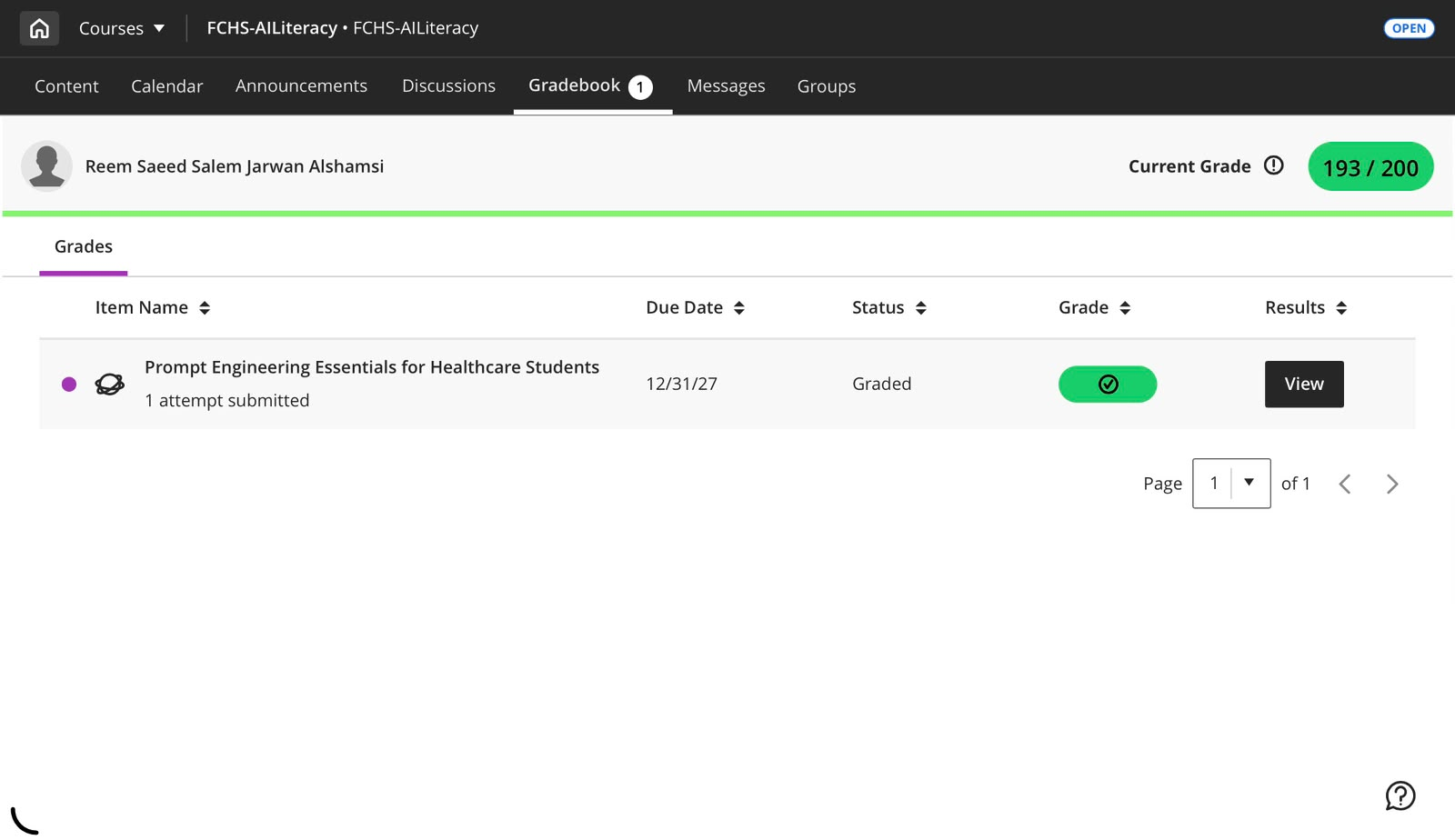
I checked with my instructor, and she confirmed that this screenshot alone is acceptable for this requirement.
Healthy habits are part of the healthcare professional I want to become.
My next step is consistency, not perfection. I will continue reviewing my goals, learning from challenges and adjusting my routines as university life changes.
Reem Saeed Alshamsi • M00020019 • Medical Imaging • Year 1